
Comparisons
Water Damage vs. Mold: When a Wet Spot Becomes a Health Problem
How to tell ordinary water damage from a mold problem — and why the timeline matters so much.
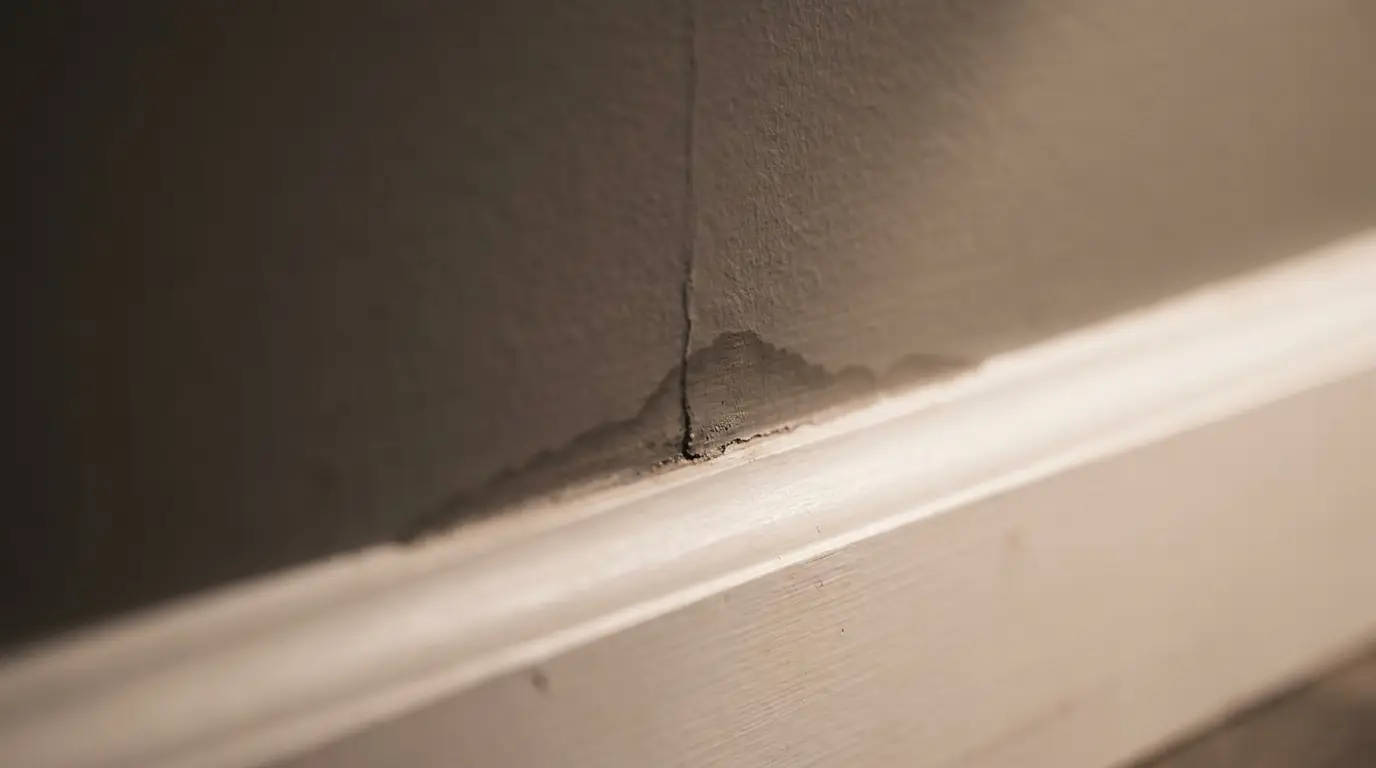
Here is the short version: water damage is the event and the mess it leaves behind. Mold is what can grow in that mess if it stays wet. Water damage is a moisture problem. Mold is a biological problem, and it can turn into a health problem. The two are closely linked, but they are not the same thing, and the difference comes down almost entirely to time.
A soaked carpet or a stained ceiling is water damage. It is unpleasant, it can wreck your floors and drywall, and it needs to be dried out. On its own, though, a wet spot is not automatically a mold problem. It becomes one when the moisture sticks around. Mold spores are already floating in the air in every home. Give them a damp surface and a little time, and they start to grow. That is the whole story in one sentence, and it is why acting fast matters so much.
So when you find water where it should not be, the useful question is not just "how do I clean this up." It is "how long has this been wet, and how fast can I get it dry." That single decision often determines whether you are dealing with a simple cleanup or a mold removal job.
Key takeaways
- Water damage is the moisture event and its aftermath; mold is living growth that can follow if things stay damp.
- Mold can begin growing within roughly 24 to 48 hours of a surface staying wet, so speed is everything.
- Fresh water damage usually looks and feels wet; mold usually shows up as spots, fuzz, discoloration, or a musty smell.
- Fast, thorough drying is the single best way to stop mold before it starts.
- If growth is spreading, the area is large, or anyone is feeling unwell, it is time to call a local pro.
What water damage actually is
Water damage is any unwanted water getting into places it should not be, plus the damage it does. Think of a dishwasher line that lets go, a burst pipe behind a wall, a roof that leaks during a storm, or an overflowing tub upstairs.
The damage itself shows up fast and is usually easy to see. You might notice:
- Wet or spongy carpet, or flooring that feels soft underfoot.
- Water stains or rings on ceilings and walls, often brown or yellow.
- Paint or wallpaper that is bubbling, peeling, or sagging.
- Baseboards or wood trim that are swelling, warping, or pulling away.
- A damp, heavy feeling in the air of the room.
At this stage, you are dealing with a moisture problem, not a biological one. The materials are wet and possibly ruined, but nothing living has taken hold yet. This is the window you want to catch things in, because it is the easiest and least expensive point to fix.
Water damage also comes in different grades of "clean." Water from a supply line is relatively clean. Water from an appliance drain is dirtier. Water from a sewage backup or a flood is contaminated and needs to be handled with real caution, because it carries bacteria on top of the moisture. The dirtier the water, the less you want to be scrubbing it yourself.
What mold actually is
Mold is a living thing. It is a type of fungus that grows in fuzzy or slimy patches and reproduces by releasing tiny spores into the air. Those spores are already present indoors and out; they are not the problem by themselves. The problem starts when they land on a damp surface and find enough moisture and food to grow.
And mold does not need much food. Drywall, wood, paper, dust, carpet backing, and ceiling tiles are all fair game. Add water and time, and a colony can establish itself.
Here is the part that catches people off guard. Mold can start growing within roughly 24 to 48 hours of a surface staying wet. Not weeks. Days, sometimes barely more than one. That short timeline is the single most important thing to understand about the water-damage-to-mold pipeline. It is why a leak you ignore over a long weekend can greet you with a musty smell by the time you are back.
Common signs you are looking at mold rather than plain water damage:
- Visible spots or patches, often black, green, gray, white, or even orange.
- A fuzzy, speckled, or slimy texture on walls, ceilings, grout, or wood.
- A persistent musty, earthy, or damp-basement smell, even when you cannot see growth.
- Discoloration that keeps spreading or coming back after you wipe it.
- Warping or staining paired with that telltale odor.
One thing worth knowing: not all mold is visible. It can grow behind walls, under flooring, or above ceiling tiles, out of sight. Often the smell arrives before the sight does. If a room smells musty and you cannot find the source, that is a reason to look harder, not to shrug it off.
Water damage vs. mold at a glance
Here is the side-by-side. Same event, two different stages, two different sets of concerns.
| Water damage | Mold | |
|---|---|---|
| What it is | A moisture event and the physical damage it leaves | Living fungal growth that feeds on damp materials |
| How fast it appears | Immediately, the moment water gets in | Roughly 24 to 48 hours after a surface stays wet |
| What you notice | Wet, soft, or stained materials; damp air | Spots, fuzz, discoloration, and a musty smell |
| Main concern | Structural and property damage | Potential health effects plus ongoing damage |
| Health risk | Low from the water itself (unless contaminated) | Can irritate airways and trigger reactions in some people |
| Reversible by drying? | Yes, if you dry it fast and fully | No; existing growth has to be removed, not just dried |
| Who typically fixes it | You or a water damage cleanup crew | A water and mold remediation pro for anything beyond a small spot |
The big takeaway from that table: drying solves water damage, but drying alone does not solve mold. Once mold is growing, you have to remove it and fix the moisture source. Otherwise it comes right back.
Health effects worth knowing about
This section is general information, not medical advice. If you have health concerns, or symptoms that worry you, please consult a qualified health professional. Everyone reacts to mold differently, and only a professional can speak to your specific situation.
With that said, here is the general picture. Plain water damage is mostly a property issue. The water itself is not usually a health hazard unless it is contaminated, such as from sewage or floodwater, in which case bacteria become the concern.
Mold is different, because for some people it can affect how they feel. Commonly reported reactions include:
- Nasal stuffiness, sneezing, or a runny nose.
- Coughing, throat irritation, or wheezing.
- Itchy or watery eyes and skin irritation.
- Worsening symptoms for people with asthma or existing allergies.
Not everyone reacts, and many people share a space with small amounts of mold without noticing anything. But people who are sensitive, who have asthma or allergies, or whose immune systems are weakened can be more affected. Infants, older adults, and anyone already dealing with breathing issues tend to be more vulnerable.
The practical point is simple. If a musty room seems to line up with someone feeling worse, do not brush past that. Take it seriously, get the moisture handled, and talk to a health professional about the symptoms themselves.
Why fast drying prevents mold
Everything comes back to that 24-to-48-hour window. Mold needs moisture to grow. Take the moisture away quickly enough, and the spores never get the foothold they need. That is the whole strategy in a nutshell: beat the clock.
If water gets in, moving fast gives you the best odds of ending up with only water damage and no mold at all. In the first day or two, that usually means:
- Stopping the source, whether that is shutting off a valve or containing a leak.
- Removing standing water as soon as you safely can.
- Getting air moving with fans and opening things up to dry.
- Pulling up soaked rugs and padding so the floor underneath can dry.
- Running a dehumidifier to pull moisture out of the air.
Here is the catch that trips people up. A surface can look dry on top while staying soaked underneath, inside a wall cavity, under the flooring, or deep in the padding. Those hidden damp spots are exactly where mold likes to start, quietly and out of sight. This is where pros earn their keep: they use moisture meters and specialized drying gear to find and remove water you cannot see or reach.
So drying fast is not only about the water you can mop up. It is about the water you cannot, and about getting to it before the clock runs out.
When to handle it yourself and when to call a pro
Plenty of small spills are genuinely a do-it-yourself job. A cup of water on the floor, a small clean leak you caught right away, a little condensation you can wipe and dry, none of that needs a professional. Mop it, dry it, keep an eye on it for a day, and you are usually fine.
Lean toward calling a local pro when you see any of these:
- The wet area is large, or the water has spread across rooms or through the ceiling.
- Water has soaked into walls, under flooring, or into insulation.
- You can see mold, or you smell that musty odor and cannot find the source.
- The water is dirty or came from sewage or a flood.
- It has already been more than a day or two since things got wet.
- Anyone in the home is feeling unwell in a way that lines up with the dampness.
A remediation pro brings the moisture meters, commercial drying equipment, and containment methods to dry things properly and remove mold safely, without spreading spores around the rest of the house. If storms or rising water are part of the picture, storm and flood damage cleanup is its own specialty for the same reasons.
One more practical note: mold and long-standing water problems can affect what insurance covers, and coverage often turns on how quickly you acted. It is worth understanding the details before you assume you are covered, and worth documenting everything as you go.
The bottom line
Water damage and mold are two chapters of the same story. Water damage is chapter one: the wet spot, the stain, the soaked carpet. Mold is chapter two, and it only gets written if the moisture is allowed to linger. The line between them is measured in hours, not weeks.
So treat every water event like the clock is running, because it is. Stop the source, dry everything fast and thoroughly, and keep an eye out for spots and that musty smell over the following days. Do that, and you have a good chance of closing the book after chapter one.
When the job is bigger than a mop and a fan, when growth has set in, when the water was dirty, or when someone is not feeling right, bring in a local pro. Getting it dried and cleaned up correctly the first time is what keeps a wet spot from turning into a health problem.
Frequently asked questions
- What is the difference between water damage and mold?
- Water damage is the moisture event and the physical damage it causes, like soaked carpet or a stained ceiling. Mold is living fungal growth that can develop on those damp materials if they are not dried out. In short, water damage is a moisture problem, while mold is a biological one that can also become a health concern.
- How fast can mold grow after water damage?
- Mold can begin growing within roughly 24 to 48 hours of a surface staying wet. Mold spores are already present in most homes, so all they need is a damp surface and a little time. That short window is why drying things quickly matters so much.
- Does drying out water damage stop mold?
- Fast, thorough drying is the best way to prevent mold before it starts, because mold needs moisture to grow. But once mold is already growing, drying alone will not fix it. Existing growth has to be removed and the moisture source corrected, or it will simply return.
- Is mold from water damage a health risk?
- For some people, mold can cause reactions like nasal congestion, coughing, throat irritation, or itchy eyes, and it can be harder on those with asthma, allergies, or weakened immune systems. Not everyone reacts, but it is worth taking seriously. This is general information and not medical advice; if you have health concerns, consult a qualified professional.
- When should I call a professional instead of cleaning it myself?
- Small, clean spills you catch right away are usually fine to handle yourself. Call a local pro when the wet area is large, water has soaked into walls or flooring, you see mold or smell a musty odor, the water was dirty or from sewage, it has been more than a day or two, or anyone is feeling unwell.
Keep reading
Related articles
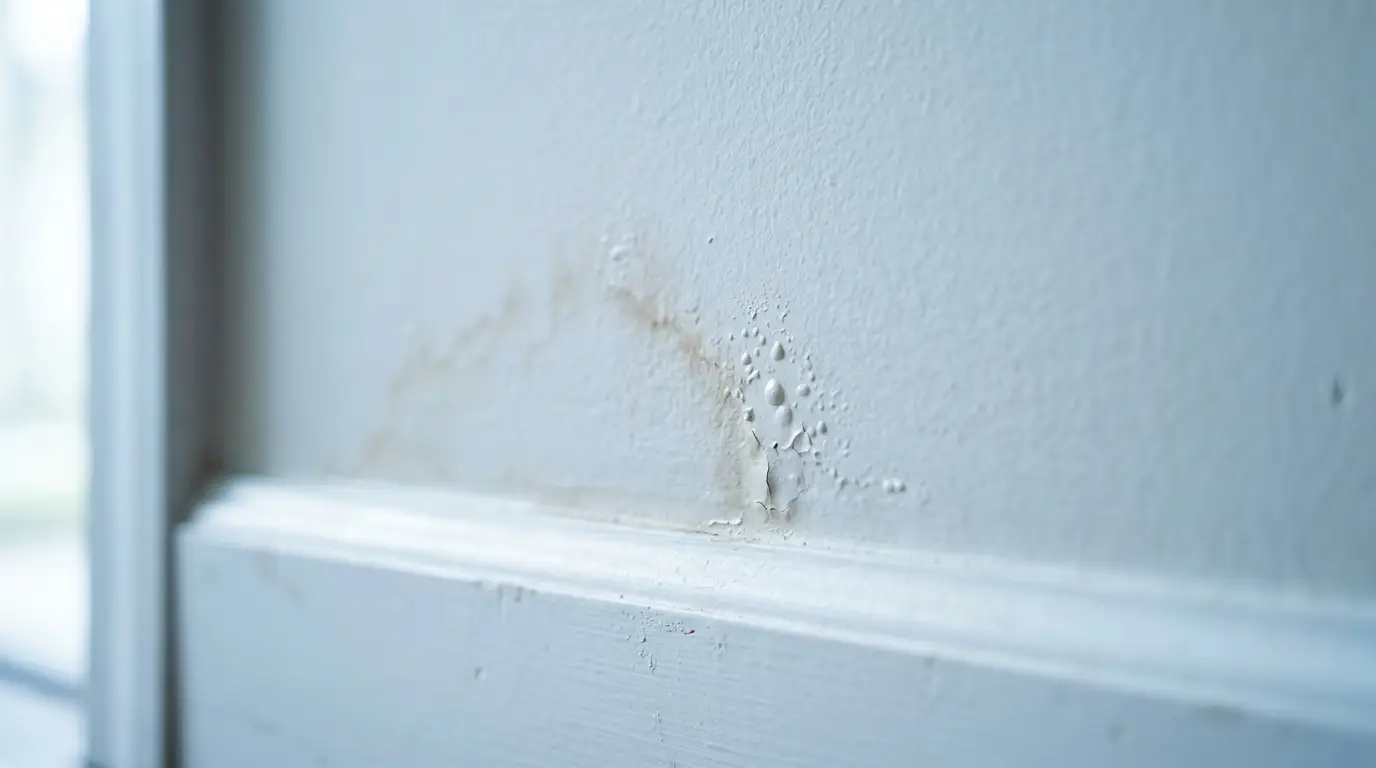
Spotting water damage before it spreads
The early signs most homeowners miss — and what to do the moment you see them.
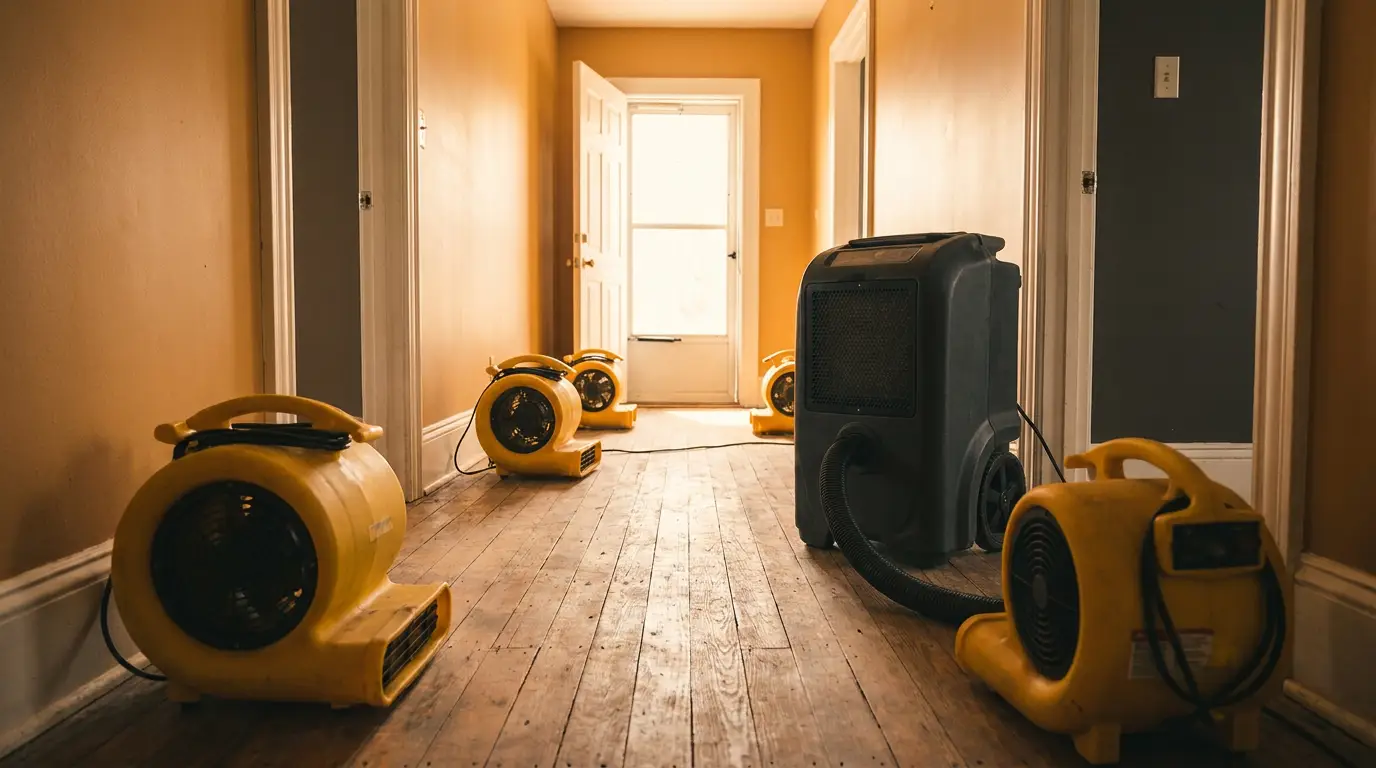
How Long Does Water Damage Restoration Take, Start to Finish?
A realistic timeline for extraction, drying, and repairs — and what makes a job run long.
Will My Insurance Deny a Water Damage Claim? 7 Common Reasons
The most common reasons water damage claims get denied — and how to protect yours.