
Costs
How Much Does Water Damage Restoration Cost? (2026 Price Guide)
What restoration really costs, what drives the price up, and how to tell a fair quote from a padded one.
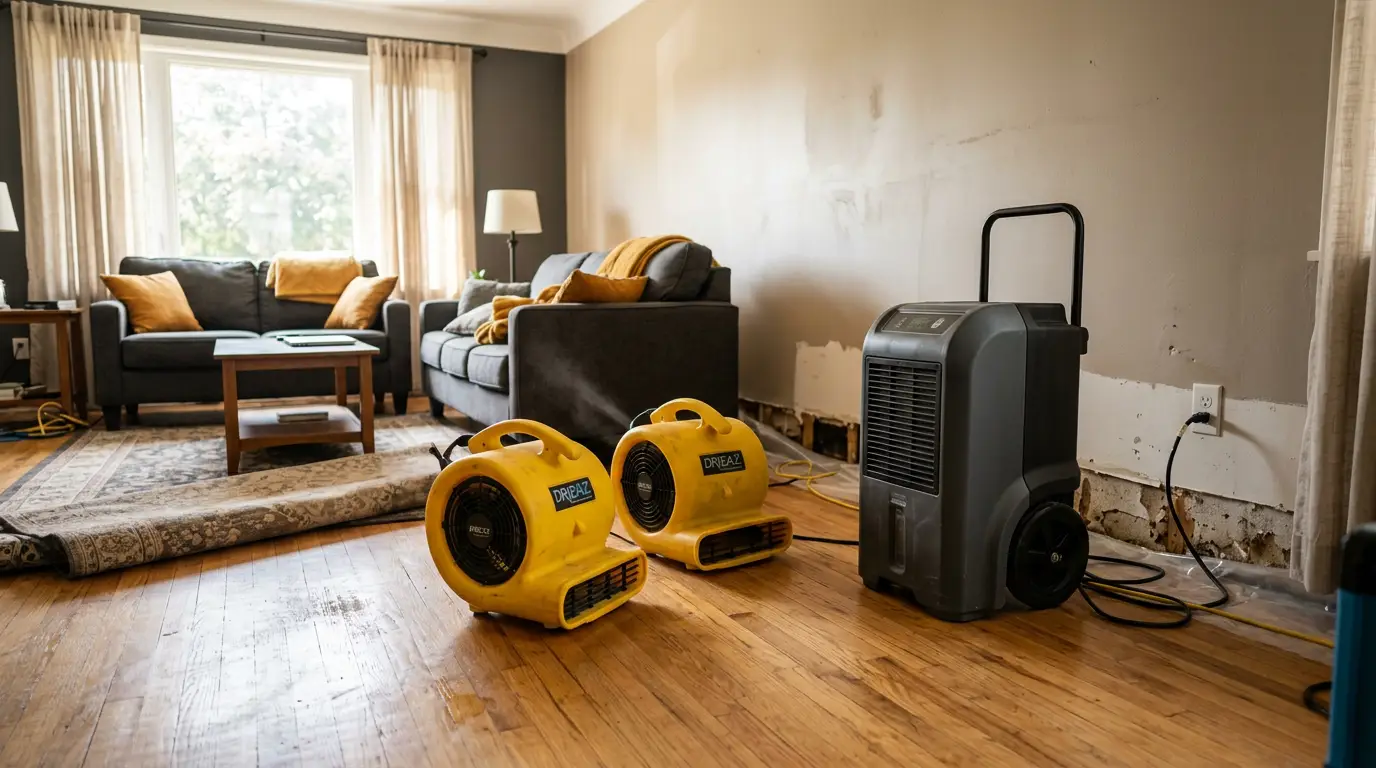
If you are staring at a soaked floor and wondering what this is going to cost, here is the honest answer: it depends, and it varies widely. A small, clean leak caught fast might land at the low end of a few hundred dollars for drying and cleanup. A whole room hit by dirty water that sat for days, plus mold and some rebuilding, can climb into the thousands or well beyond. Anyone who quotes you a firm number over the phone before seeing the damage is guessing. Real pricing comes from an in-person look at what got wet, how bad it is, and how far it spread. So treat every range you read online, including the ones below, as rough ballparks, then get a local quote to know what your job actually costs.
Key takeaways
- Water damage restoration cost varies enormously by severity, water type, size of the affected area, and how long the water sat.
- The single biggest price drivers are the water category (clean vs. dirty vs. sewage), the square footage affected, and whether mold or structural repairs are involved.
- Most jobs bundle inspection, water extraction, drying, and cleanup; rebuilding damaged materials is often a separate cost.
- Homeowners insurance may cover sudden, accidental water damage, but rarely covers gradual leaks or flooding, so read your policy.
- A fair quote is itemized and explains the scope; watch for vague lump sums, scare tactics, and pressure to sign on the spot.
- The only reliable number is a free, in-person quote from a local pro.
What actually drives the price up or down
Two houses with "water damage" can get wildly different bills. It comes down to a handful of factors that stack on top of each other. The more of these that apply to your situation, the higher the cost tends to run.
| Cost driver | Why it matters | Effect on price |
|---|---|---|
| Water category (1/2/3) | Clean water is simple; dirty or sewage water needs disinfection, protective gear, and often removal of soaked materials | Low to high |
| Size of area affected | More square footage means more equipment, labor, and drying time | Low to high |
| How long it sat | Water that lingers spreads, soaks deeper, and invites mold | Moderate to high |
| Materials involved | Drywall and carpet dry or replace cheaply; hardwood, tile, and cabinetry cost more | Moderate to high |
| Mold present | Adds containment, remediation, and sometimes material removal | Moderate to high |
| Structural repairs | Rebuilding studs, subfloor, or ceilings turns cleanup into a small construction job | Moderate to high |
| Access and hidden damage | Water behind walls or under floors is harder to reach and dry | Moderate to high |
Treat that "effect on price" column as direction, not dollars. Your market, the severity, and how fast you called all move the final number.
Water category: clean, gray, and black
Restoration pros sort water into three categories, and it is probably the biggest factor in your bill.
Category 1 (clean water) comes from a clean source, like a supply line, a burst pipe, or an overflowing sink. If it is caught fast, this is usually the least expensive to handle because it is mostly extraction and drying. A burst pipe is a classic example, and acting quickly keeps it in this cheaper lane.
Category 2 (gray water) is dirtier, with some contamination, like water from a dishwasher, washing machine, or a toilet overflow without solids. It needs more cleaning and disinfection, and some materials may need to go.
Category 3 (black water) is the worst and the priciest. This is grossly contaminated water, including sewage backups and floodwater from outside. It carries health risks, so it demands protective equipment, aggressive disinfection, and usually the removal and replacement of anything porous it touched. Category 3 jobs sit at the top of the price range for good reason.
Here is the catch that surprises people: clean water does not stay clean. Category 1 water that sits long enough can degrade into Category 2 or even 3. That is why the same leak can cost very different amounts depending on how fast you act.
Size, materials, and how long it sat
After water type, the next big levers are how much got wet and what it got wet.
Size of the affected area. A damp corner of one room is a small job. Water that traveled across a floor, down into a lower level, or through several rooms means more drying equipment running longer, and more labor. Cost scales with the footprint.
What materials got soaked. Some materials dry out and get saved. Others have to be torn out and replaced. Carpet and pad, baseboards, and sections of drywall are often on the cheaper end to handle. Hardwood floors, tile, cabinetry, insulation inside walls, and finished ceilings push the cost up because they are slower to dry or more expensive to replace.
How long the water sat. This one quietly drives everything. Water that is extracted within hours is far cheaper to deal with than water that soaked in for days. The longer it sits, the deeper it wicks into materials, the more it spreads, and the more likely mold becomes. Fast action is genuinely the cheapest thing you can do.
That is also why storm and flood situations, like storm and flood damage, often cost more. The water is frequently contaminated, it can cover a large area, and it may sit for a while before anyone can safely get to work.
What is usually included in a quote
Knowing what a normal scope covers helps you read a quote and spot what is missing or padded. Most water restoration jobs include some version of these steps.
- Inspection and assessment. The pro finds the water source, checks moisture levels, and maps how far it spread, often with meters and sometimes thermal cameras.
- Water extraction. Pumping and vacuuming out standing water.
- Drying and dehumidification. Air movers and dehumidifiers run for days to pull moisture out of materials. This is where a lot of the equipment cost lives.
- Cleaning and sanitizing. Especially important for gray and black water, and for anything that will be kept.
- Debris and material removal. Hauling out carpet, drywall, or other items that cannot be saved.
What is often quoted separately: rebuilding and repairs. Drying your house out and putting it back together are two different phases. Replacing drywall, reinstalling flooring, repainting, or rebuilding cabinets is frequently a distinct line item or even a separate project. When you compare quotes, make sure you are comparing the same scope. One "cheaper" quote might simply stop before the rebuild.
When mold and structural repairs enter the picture
Two things reliably turn a moderate bill into a bigger one: mold and structural damage.
Mold. Once water sits, mold can start growing surprisingly fast. If a pro finds mold, the job changes. It may need containment to keep spores from spreading, specialized mold remediation, and removal of materials the mold got into. The bigger the affected area and the longer it grew, the more this adds. Catching water early is the best way to avoid this cost entirely.
Structural repairs. When water compromises the bones of the house, like subfloor, wall studs, joists, or a ceiling, you are no longer just drying and cleaning. You are rebuilding. That means carpentry, materials, and more labor, and it is usually where the highest numbers come from. Not every job needs this, but when it does, expect the total to climb.
The takeaway is not to panic, it is to understand why quotes differ. A quote that includes mold remediation and structural rebuild should cost more than one that is pure water cleanup, because it is doing far more work.
The role of insurance
Insurance can change what you actually pay out of pocket, sometimes dramatically. But coverage is not automatic, and it depends heavily on your specific policy and what caused the damage.
As a general rule, many homeowners policies cover water damage that is sudden and accidental, like a pipe that bursts unexpectedly. Damage from gradual problems, like a slow leak you left unaddressed or poor maintenance, is often not covered. And standard homeowners policies typically do not cover flooding from outside water; that usually requires separate flood coverage.
A few practical notes:
- Document everything early. Take photos and video of the damage before cleanup starts.
- Many restoration companies work directly with insurance and can help with the claim, which is worth asking about.
- Your deductible still applies, so even a covered claim means some out-of-pocket cost.
If you want to dig into how coverage typically works, see does insurance cover water damage. And here is a light but honest note: this article is general information, not legal or financial advice. Your policy is the final word on what you will actually pay, so read it or call your insurer.
Red flags: how to spot a padded quote
Most restoration pros are honest. But when you are stressed and water is spreading, it is easy to get pushed into a bad deal. Here is how to tell a fair quote from a padded or sketchy one.
Signs of a fair quote:
- It is itemized, so you can see extraction, drying, cleaning, and any rebuild as separate lines.
- It comes after an in-person inspection, not a phone guess.
- The scope and reasoning are explained in plain language.
- The company is licensed and insured, and will show proof.
Red flags to watch for:
- A firm price quoted over the phone before anyone sees the damage.
- A vague lump sum with no breakdown of what you are paying for.
- Heavy pressure to sign immediately or scare tactics about your home being ruined.
- No license, no insurance, or a refusal to put things in writing.
- A quote far below everyone else, which can mean the rebuild or the mold work was quietly left out.
The simplest protection is to get more than one quote when you can, and to compare scope, not just the bottom-line number. A slightly higher quote that covers everything can be cheaper than a low one that leaves you paying for a second job later.
The bottom line
Water damage restoration cost is genuinely a "it depends" situation, and that is the truth, not a dodge. The water category, how much got wet, how long it sat, and whether mold or structural repairs are involved all stack up to set your price. Anyone giving you a hard number sight unseen is not being straight with you.
The good news is that acting fast is both the cheapest and the safest move. The sooner the water is out and the drying starts, the smaller your bill tends to be and the less likely you are to face mold or structural damage.
When you are ready for a real number instead of a ballpark, get a free, in-person quote from a local pro in your area. That is the only way to know what your specific job costs, and a good company will walk you through the scope so you understand exactly what you are paying for.
Frequently asked questions
- How much does water damage restoration usually cost?
- It varies widely. A small, clean-water leak caught quickly may only need drying and cleanup at the low end, while a large area hit by dirty water that sat for days, plus mold or structural repairs, can run into the thousands or more. The honest answer is that it depends on severity, and the only reliable number comes from an in-person quote from a local pro in your area.
- What makes water damage restoration more expensive?
- The biggest drivers are the water category (clean water is cheapest, sewage or floodwater is most expensive), how much area got wet, and how long the water sat before it was extracted. Costs also climb when expensive materials like hardwood or cabinetry are soaked, when mold is present, and when structural repairs or rebuilding are needed.
- Does homeowners insurance cover water damage restoration?
- Often, but not always. Many policies cover sudden, accidental damage such as a burst pipe, while gradual leaks and poor maintenance are frequently excluded, and outside flooding usually needs separate flood coverage. Your deductible still applies, so read your policy or call your insurer. This is general information, not legal or financial advice.
- What is included in a water damage restoration quote?
- Most quotes cover inspection and assessment, water extraction, drying and dehumidification, cleaning and sanitizing, and removal of materials that cannot be saved. Rebuilding and repairs, like replacing drywall or flooring and repainting, are often quoted separately, so make sure competing quotes cover the same scope before you compare prices.
- How can I tell if a water damage quote is fair or padded?
- A fair quote is itemized, follows an in-person inspection, explains the scope in plain language, and comes from a licensed, insured company. Be cautious of firm prices quoted over the phone before anyone sees the damage, vague lump sums with no breakdown, high-pressure or scare tactics, and quotes far below everyone else, which may quietly leave out mold work or the rebuild.
Keep reading
Related articles
How Long Does Water Damage Restoration Take, Start to Finish?
A realistic timeline for extraction, drying, and repairs — and what makes a job run long.

Will My Insurance Deny a Water Damage Claim? 7 Common Reasons
The most common reasons water damage claims get denied — and how to protect yours.
What to Do in the First Hour After a Basement Flood
A step-by-step for the moments that decide how bad — and how expensive — a flood gets.