
Guides
How Long Does Water Damage Restoration Take, Start to Finish?
A realistic timeline for extraction, drying, and repairs — and what makes a job run long.
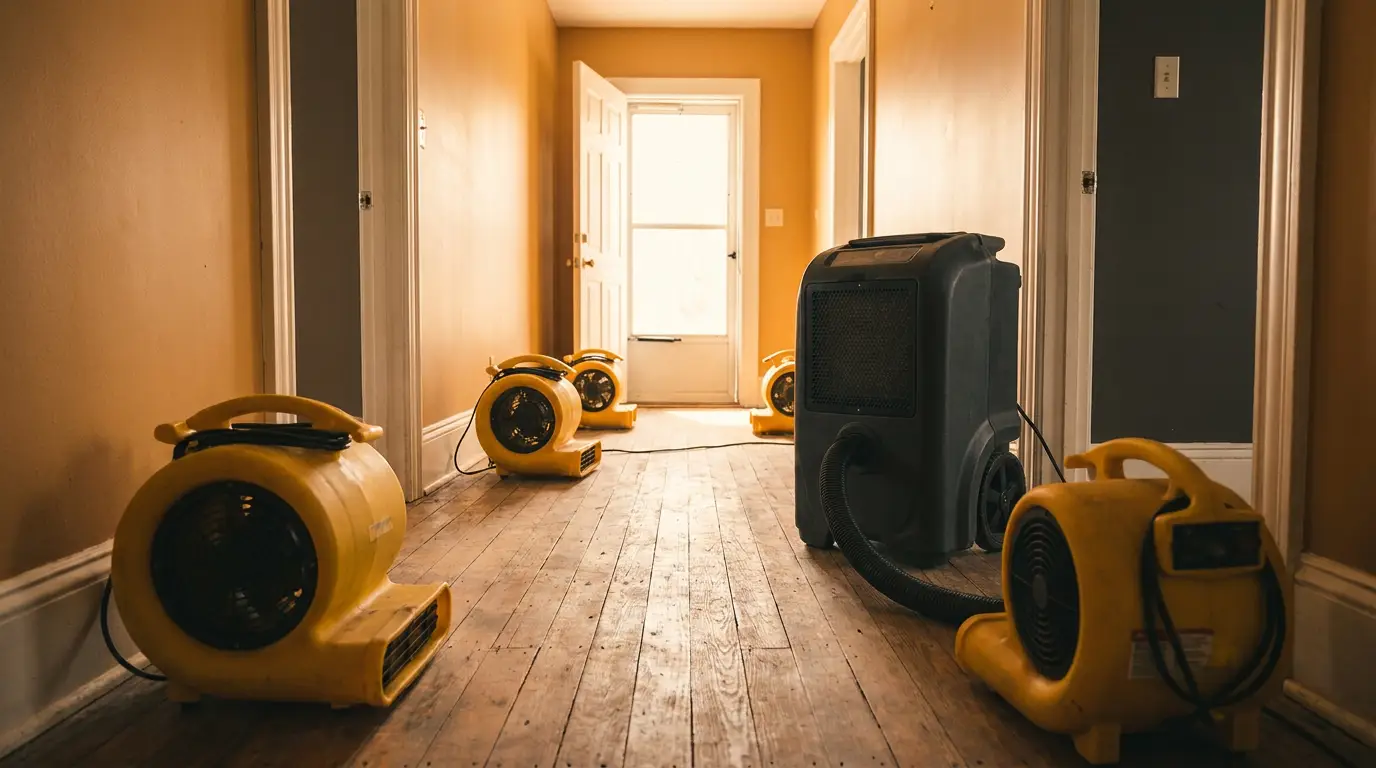
For most homes, water damage restoration takes anywhere from a few days to a few weeks from start to finish. A small, clean-water leak that gets caught fast might be dried out and wrapped up in under a week. A bigger loss, or one with contaminated water, soaked-in materials, or mold, can stretch to three or four weeks once repairs and rebuilding are done.
Here is the honest version: the drying part is usually quick, often three to five days. It is the repairs and reconstruction afterward, plus any waiting on insurance, that make the whole thing feel long. So if you are staring at a wet floor right now, take a breath. The mess in front of you is almost always the fastest part to fix.
Key takeaways
- Expect a range, not a date: most jobs run from a few days to a few weeks total.
- Active drying is typically the shortest phase, often about three to five days.
- Repairs and reconstruction usually take the longest, especially for bigger losses.
- Dirty or contaminated water, hidden moisture, and mold all add time.
- Insurance approvals can slow the rebuild, even when the cleanup itself is done.
- The faster you call a local pro, the shorter the whole timeline tends to be.
What does the full timeline actually look like?
It helps to think of restoration as a handful of phases that mostly happen in order. Some overlap. Some get skipped if your situation is simple. But this is the general shape of it.
| Phase | What happens | Typical duration |
|---|---|---|
| Emergency response and water extraction | A pro arrives, stops the source if needed, and pulls out standing water | A few hours to 1 day |
| Assessment and moisture mapping | They check how far the water spread, including inside walls and under floors | Same visit, ongoing |
| Drying and dehumidification | Fans and dehumidifiers pull moisture out of materials until readings are normal | About 3 to 5 days |
| Inspection and clearance | Moisture levels get confirmed as dry; mold checks if needed | 1 day or so |
| Repairs and reconstruction | Replacing drywall, flooring, trim, paint, and anything removed | A few days to several weeks |
Add it up and a straightforward job might be done in a week or less. A larger one, or one that needs a real rebuild, can run three to four weeks or more. Neither is unusual. The size of the loss and what got wet drive most of the difference.
How fast does the emergency response part happen?
This first phase moves quickly, and it should. A good local pro treats water as an emergency, because standing water keeps doing damage every hour it sits.
In most cases, someone can be at your door within a few hours of your call, sometimes faster. Once they are there, extracting the standing water and setting up drying equipment often happens the same day.
The goal in the first 24 to 48 hours is simple: stop the water, get it out, and start drying before moisture soaks deeper into your floors, walls, and belongings. Acting fast here genuinely shortens everything that comes after, and it lowers the odds of mold showing up later.
Alongside extraction, a pro maps out how far the water actually traveled. This matters more than it sounds. Water spreads in directions you cannot see, and mapping it early means nothing gets missed and left to cause trouble weeks later. Expect them to check adjoining rooms, the floor below, and inside walls near the source.
If the water came from a supply line, a failed appliance, or a broken pipe, the first step is shutting that source off. You can read more about how those cases are handled on our burst pipe and supply-line damage page.
Why does drying take three to five days?
This is the question people ask most, usually because their floors look dry on the surface after a day. Here is the thing: dry to the touch is not the same as actually dry.
Water hides. It wicks up into drywall, seeps under flooring, and settles into the wood framing behind your walls. Those materials release moisture slowly, and rushing them is how you end up with warping, lingering smells, or mold weeks later.
A pro uses moisture meters to track the actual readings inside your materials, not just how things feel. The equipment, air movers and dehumidifiers, runs until those numbers come back to normal. For a typical job, that is often three to five days.
A few things push it longer:
- Dense materials like hardwood, plaster, or concrete hold water and dry slowly.
- High humidity in your area makes dehumidifiers work harder.
- Water that spread far, or sat for a while before anyone got to it.
- Cavities and hard-to-reach spots where air cannot circulate well.
It can be tempting to shut the loud fans off early. Please do not. Letting the equipment finish is what protects you from a second, bigger problem down the road.
What makes a water damage job run long?
If two homes both have a wet floor, why does one take five days and the other take a month? A handful of factors explain almost all of it.
The category of water. Clean water from a supply line is the simplest. Gray water from an appliance is dirtier. Black water, meaning sewage or floodwater, is contaminated and demands extra safety steps, more removal, and careful sanitizing, all of which add time. If you are dealing with sewage or contaminated water, expect a longer, more involved process.
What got wet. Tile and sealed surfaces dry fast. Carpet, padding, drywall, insulation, cabinets, and hardwood are slower, and some of it may need to be removed and replaced rather than dried.
Hidden moisture. Water that traveled inside walls, under flooring, or into a ceiling below is harder to find and harder to dry. Finding it is good news, it means it gets handled, but it does extend the job.
Mold. If moisture lingered before drying started, or the space stayed damp, mold can develop and it needs its own remediation step. That adds days, sometimes more. Our mold and lingering moisture page walks through what that looks like when drying drags on.
Size of the loss. One damp room is quick. Multiple rooms, several floors, or a whole basement is a different scale of work, both for drying and for the rebuild.
Storms and weather flooding. When a storm hits a whole neighborhood at once, local pros get busy and materials can be in demand. A widespread storm or flood event can stretch timelines simply because a lot of people need help at the same time.
How long do the repairs and rebuild take?
Once your home is confirmed dry, the restoration shifts to putting things back. This is usually the longest stretch, and it varies the most.
For a light job, think fresh paint, a bit of new drywall, some baseboard, the repairs might wrap up in a few days. For a heavier loss with new flooring, cabinetry, or structural work, the rebuild can take a few weeks or longer.
Reconstruction also depends on things outside anyone's control, like how quickly materials arrive and whether specialty trades are needed. If your flooring is a special order, for example, you may be waiting on that regardless of how fast the crew works.
It also helps to know that repairs are often scheduled in stages. Structural work and drywall come first, then flooring, then the finishing touches like trim and paint. If part of your home is livable during this stretch, a good crew will usually try to sequence the work so you can stay put where possible.
The reassuring part: by this stage, the urgent danger is behind you. Your home is dry and stable. What is left is craftsmanship and scheduling, not a race against water.
Where does insurance fit into the timeline?
Insurance can be the quiet reason a project takes longer than the actual work would suggest. The cleanup and drying often move ahead right away, but the rebuild sometimes waits on approvals, adjuster visits, and paperwork.
In many cases an adjuster needs to inspect the loss and sign off on the scope before major reconstruction begins. That back-and-forth can add days or weeks depending on your insurer and how busy they are.
A good local pro helps here. They document everything, moisture readings, photos, what was removed and why, which tends to make the claim smoother and faster. If you want to understand what is typically covered, our post on whether insurance covers water damage is a helpful starting point.
One note: this article is general information, not legal or insurance advice. Your policy and your specific claim are what actually govern your coverage, so lean on your insurer and your restoration pro for the details of your situation.
What can you do to keep things moving?
You have more influence over the timeline than you might think, especially in the first day or two.
- Call fast. The sooner extraction and drying start, the shorter and cheaper the whole job usually is.
- Stop the source if it is safe. Shutting off a water valve or main can prevent more damage while you wait.
- Do not wait to see if it dries on its own. Trapped moisture rarely disappears, and waiting invites mold.
- Let the equipment run. Resist turning off the fans and dehumidifiers early, even when they are loud.
- Report the claim promptly. Getting your insurer involved early keeps the rebuild from stalling later.
- Keep documentation. Photos and notes of the damage help both your pro and your claim.
None of this requires special skill. It is mostly about acting quickly and letting the process do its job.
The bottom line
There is no single answer to how long water damage restoration takes, but a realistic picture is this: a few days for the drying, and anywhere from a few days to a few weeks more for the repairs, depending on how much got wet and how the water behaved.
The biggest thing in your favor is speed. Water damage that gets caught and handled quickly is almost always faster, cheaper, and less stressful than damage left to sit. Hidden moisture, contaminated water, and mold are what turn a short job into a long one, and a trained eye catches those early.
If your home is wet right now, the smartest next step is to get a local pro on the phone. They can assess your specific situation, give you a realistic timeline for your home, and start the clock on drying before the damage has a chance to spread. You do not have to figure this out alone, and the sooner you reach out, the sooner your home starts getting back to normal.
Frequently asked questions
- How long does it take to dry out a house after water damage?
- Active drying typically takes about three to five days. A pro sets up air movers and dehumidifiers and runs them until moisture meters show your materials are back to normal levels. Dense materials like hardwood or plaster, high humidity, and water that spread far can all push drying past five days.
- Why is my floor still not dry after 24 hours?
- Dry to the touch is not the same as actually dry. Water wicks into drywall, seeps under flooring, and settles into framing, and those materials release moisture slowly. That is exactly why the fans and dehumidifiers keep running for several days. Turning them off early risks warping, odors, or mold later on.
- Does the type of water affect how long restoration takes?
- Yes, a lot. Clean water from a supply line is the simplest and fastest to handle. Gray water from an appliance is dirtier, and black water from sewage or flooding is contaminated and requires extra removal, safety steps, and sanitizing. The dirtier the water, the longer and more involved the process tends to be.
- How long does the repair and rebuild stage take?
- It varies the most of any phase. Light repairs like fresh drywall, baseboard, and paint might wrap up in a few days. A heavier loss needing new flooring, cabinetry, or structural work can take a few weeks or longer, especially if materials are on order or specialty trades are involved.
- Can insurance make the whole process take longer?
- It can. Cleanup and drying usually move ahead right away, but major reconstruction sometimes waits on an adjuster inspection and approval of the scope, which can add days or weeks. A restoration pro who documents moisture readings, photos, and removed materials helps the claim move faster. This is general information, not insurance or legal advice.
Keep reading
Related articles
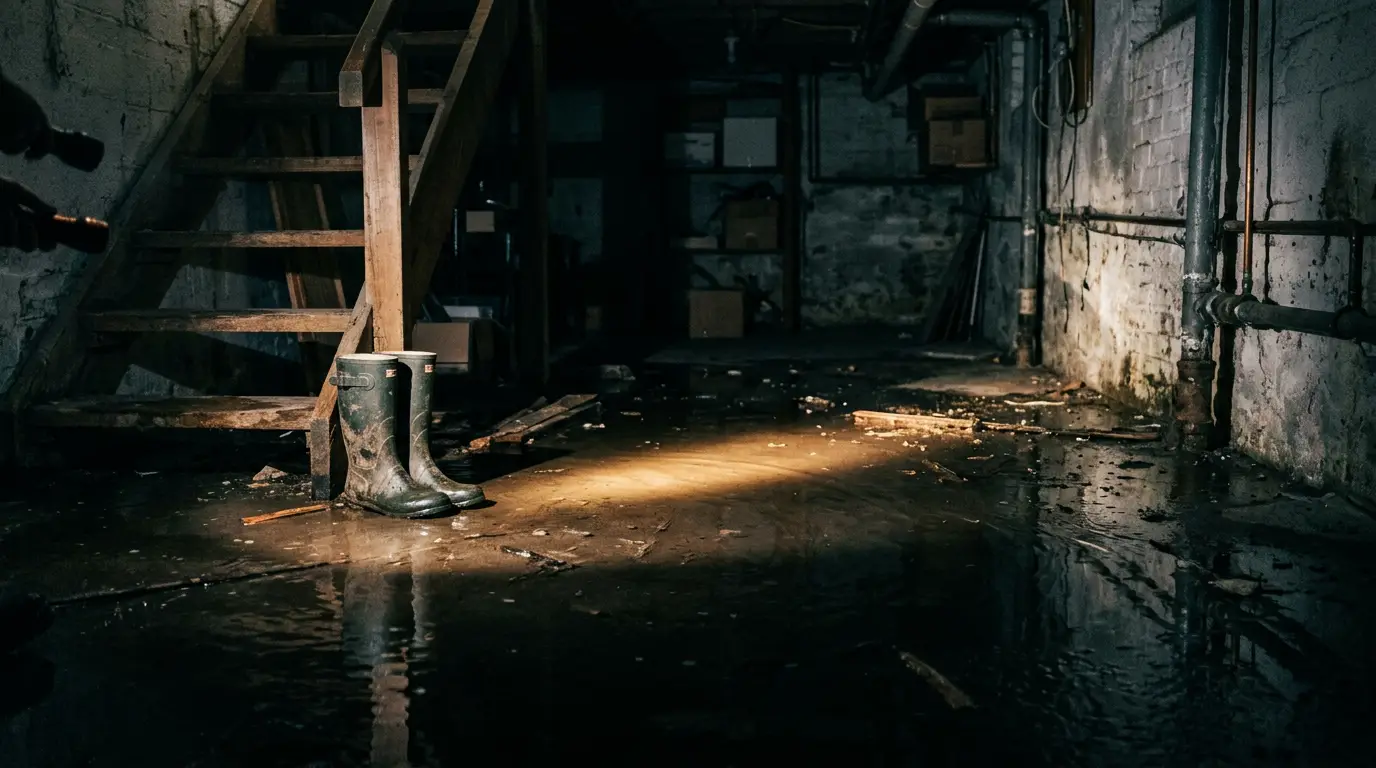
What to Do in the First Hour After a Basement Flood
A step-by-step for the moments that decide how bad — and how expensive — a flood gets.

Category 1, 2, or 3 Water: Why the Difference Changes Everything
What the three water categories mean for safety, cleanup, and what can be saved.
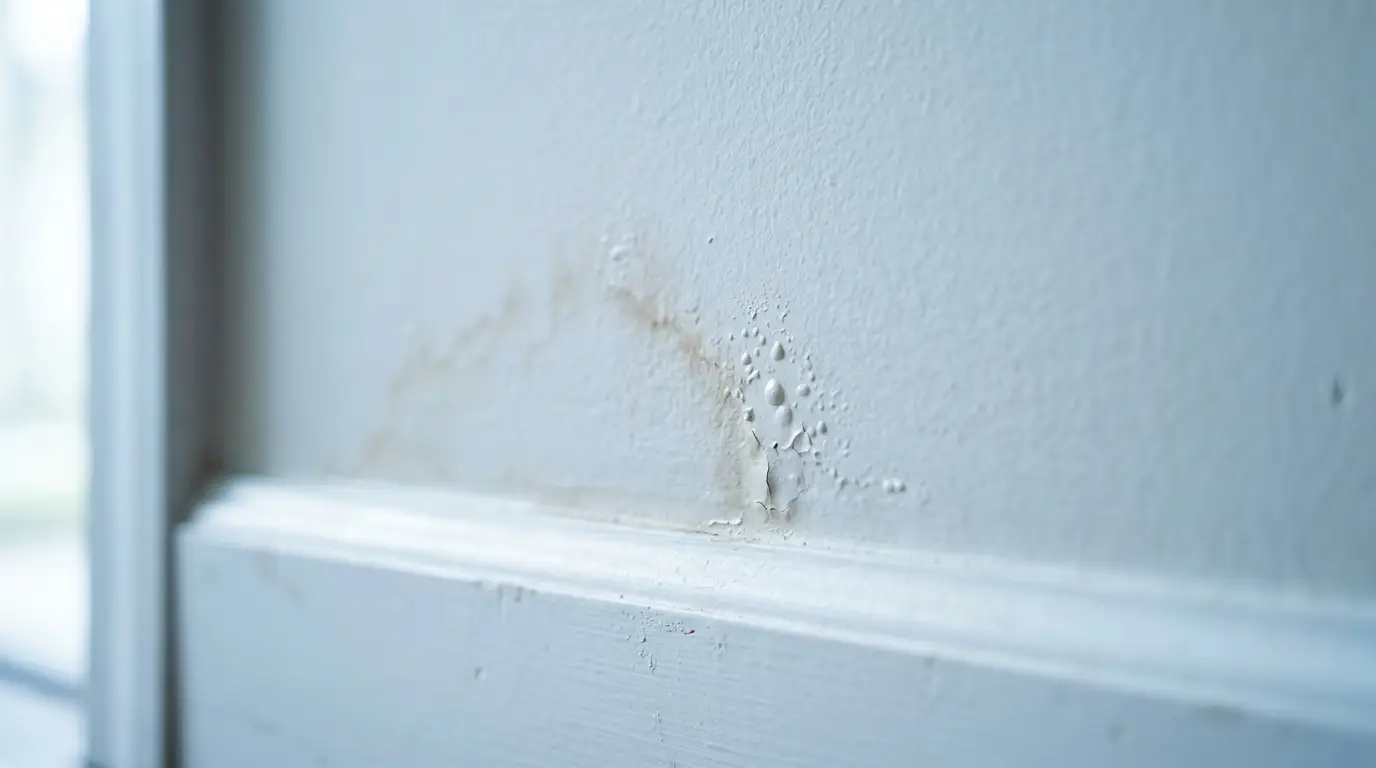
Spotting water damage before it spreads
The early signs most homeowners miss — and what to do the moment you see them.